
When Maria rewrote her CV for the third time in one evening, one word kept staring back at her from every line. Skills in computing, skills in sales, skills in languages. The word was correct each time, yet the page sounded flat, as if twenty different strengths had been squeezed into a single grey label. Her mentor circled the word in red pen and wrote in the margin: name them properly.
That small edit changed the whole document. Skill is a useful umbrella word, but English offers sharper names: the talent you were born with, the expertise you earned, the knack nobody can teach. This guide walks through 20 of them.
At a Glance: Skill Synonyms and Related Alternatives
- Ability: the power to do something, whether learned or natural.
- Talent: a natural gift for doing something well.
- Expertise: deep knowledge and skill in a specialist area.
- Proficiency: a high standard reached through training and practice.
- Competence: the ability to do a job to an acceptable standard.
- Aptitude: a natural readiness to learn or to do something.
- Knack: a special, often mysterious, way of doing something easily.
- Mastery: complete control and understanding of a subject or activity.
- Craft: skill in making things, especially by hand.
- Dexterity: skill with the hands, quick, neat, and precise.
Which Word Should You Use?
This table matches common writing goals with the fitting word.
| If you want to… | Use | Why |
|---|---|---|
| Describe a general ability anyone can learn | Ability | The broadest word; it fits almost every context. |
| Praise a natural gift | Talent | It credits nature rather than training. |
| Name deep specialist knowledge | Expertise | It signals years of study in one narrow field. |
| Show someone meets a required standard | Proficiency | It is the word of tests, levels, and certificates. |
| Describe a clever trick of doing something | Knack | It suggests ease that is hard to teach. |
| Describe top level command of a craft | Mastery | It promises complete control, not mere competence. |
Meanings and Alternatives in Detail
Exploring the Multiple Meanings of “Skill”
1. The Ability to Do Something Well
- Meaning: Knowledge and practice that let a person perform a task to a good standard.
- Explanation: The core modern sense, built through training rather than birth.
- Example: Her skill as a negotiator saved the deal.
2. One Particular Practiced Activity
- Meaning: A single named area of training, such as typing, coding, or carpentry.
- Explanation: In this sense skill is countable, and people list skills one by one.
- Example: Welding is a skill that takes years to learn properly.
3. A Trade or Craft in Older Use
- Meaning: In older English, a person’s trade or occupation, and the knowledge belonging to it.
- Explanation: This sense survives in phrases like the skill of a surgeon.
- Example: The bridge still shows the skill of the engineers who built it.
Sources: Merriam Webster, Dictionary.com, Cambridge Dictionary
Analyzing 20 Skill Alternatives in Detail
The twenty alternatives below are grouped by the kind of ability each one names.
Core Terms
1. Ability
IPA: /əˈbɪləti/
Definition: The power or capacity to do something, physical, mental, or learned.
- Usage: The safest general choice for CVs, reports, and everyday speech.
- Example: His ability to stay calm under pressure impressed the whole panel.
2. Talent
IPA: /ˈtælənt/
Definition: A natural gift for doing a particular thing very well.
- Usage: Use it when the ability feels inborn rather than trained.
- Example: She has a real talent for languages and picks up accents in weeks.
3. Aptitude
IPA: /ˈæptɪtuːd/
Definition: A natural readiness to learn something or to succeed at it.
- Usage: Common in education and careers advice; it points to potential.
- Example: The test showed a strong aptitude for engineering.
4. Capability
IPA: /ˌkeɪpəˈbɪləti/
Definition: The power to do something, often judged by resources and limits.
- Usage: Slightly formal; it asks what is possible, not what has been proven.
- Example: The new software increased the capability of the whole design team.
5. Competence
IPA: /ˈkɑːmpɪtəns/
Definition: The ability to do a job properly, to a required standard.
- Usage: It promises adequacy, not brilliance, so it can sound lukewarm as praise.
- Example: The audit confirmed her competence in financial reporting.
Professional and Formal Terms
6. Expertise
IPA: /ˌekspɜːrˈtiːz/
Definition: Expert knowledge or skill in a particular specialist field.
- Usage: The strongest word for authority; it implies years of focused study.
- Example: The hospital hired her for her expertise in heart surgery.
7. Proficiency
IPA: /prəˈfɪʃənsi/
Definition: A high level of skill gained through training and practice.
- Usage: The language of exams and levels, as in proficiency in English.
- Example: The post requires proficiency in two foreign languages.
8. Mastery
IPA: /ˈmæstəri/
Definition: Complete knowledge or control of a subject, technique, or activity.
- Usage: It stands at the top of the scale, beyond simple competence.
- Example: His mastery of the violin took thirty years of daily practice.
9. Know how
IPA: /ˈnoʊ haʊ/
Definition: Practical knowledge of how to do something, gained from experience.
- Usage: Warm and workplace friendly; it values results over certificates.
- Example: What the team needs is her know how in handling difficult clients.
10. Facility
IPA: /fəˈsɪləti/
Definition: A natural ease in doing or learning something.
- Usage: Often used for languages, as in a facility for words; slightly formal.
- Example: He has a remarkable facility for remembering names and faces.
Craft, Hands, and Performance
11. Dexterity
IPA: /dekˈsterəti/
Definition: Skill in using the hands, quick, neat, and accurate.
- Usage: It belongs to physical work, from surgery to watch repair.
- Example: Watch repair demands patience and remarkable dexterity.
12. Craft
IPA: /kræft/
Definition: Skill in making things, especially with the hands and traditional tools.
- Usage: As a skill word it praises careful workmanship and pride in the result.
- Example: Every joint in the chair shows the craft of its maker.
13. Technique
IPA: /tekˈniːk/
Definition: A particular method or way of carrying out a task skillfully.
- Usage: It names the how, so one skill can hold several techniques.
- Example: Her serving technique gives her an edge in every tennis match.
14. Artistry
IPA: /ˈɑːrtɪstri/
Definition: Skill that rises to the level of art, marked by taste and imagination.
- Usage: Reserve it for work that is beautiful as well as correct.
- Example: The artistry of the old calligrapher still draws crowds to the museum.
15. Prowess
IPA: /ˈpraʊəs/
Definition: Great skill or ability, especially in battle, sport, or performance.
- Usage: It sounds heroic and slightly literary, best for impressive feats.
- Example: His prowess on the football field made him a local legend.
Personal Flair and Strengths
16. Knack
IPA: /næk/
Definition: A special way of doing something that seems to come without effort.
- Usage: It hints at a trick others cannot copy, and appears in the phrase a knack for.
- Example: She has a knack for calming angry customers in minutes.
17. Flair
IPA: /fler/
Definition: A natural, stylish ability to do something in an attractive way.
- Usage: It praises originality and presentation, not only correctness.
- Example: He writes reports with real flair, so people actually read them.
18. Gift
IPA: /ɡɪft/
Definition: A natural ability that feels given rather than earned.
- Usage: A warm near synonym of talent, often used in a gift for teaching.
- Example: Her gift for storytelling keeps every audience silent.
19. Accomplishment
IPA: /əˈkɑːmplɪʃmənt/
Definition: A skill or achievement that a person has gained through effort.
- Usage: In older use it named social skills such as music and drawing.
- Example: Public speaking is an accomplishment every manager should build.
20. Strength
IPA: /streŋθ/
Definition: A strong personal quality or area of ability.
- Usage: The word of interviews and appraisals, usually in the plural, strengths.
- Example: Her greatest strength is turning conflict into agreement.
Sources: Dictionary.com, Merriam Webster, Cambridge Dictionary
Skill in Real Life: Matching the Word to the Workplace Moment
One worker can wear several labels in a week. The document in front of you decides which word sounds right.
| Situation | Best Word | Why |
|---|---|---|
| A CV listing what you can do | Ability | Broad, honest, and easy to support with evidence. |
| A reference praising a rare natural quality | Talent | It tells the reader the ability runs deep. |
| A course certificate or exam result | Proficiency | It matches levels, grades, and measured standards. |
| A job advert naming what a senior role demands | Expertise | It sets a high bar and filters out beginners. |
| An interview answer about your best quality | Strength | It invites a story, not just a claim. |
Each document asks a different question. A certificate asks how well, a CV asks what, and an interview asks why you. The right word answers the question actually asked.
Skill and Opposite or Paired Word Pairs
| Word | Paired Word | Note |
|---|---|---|
| Skill | Weakness | A weakness is simply the area where skill is missing or still growing. |
| Talent | Practice | Talent names the gift; practice names the work that turns it into skill. |
| Competence | Excellence | Competence meets the standard; excellence goes far beyond it. |
| Hard skill | Soft skill | Hard skills are technical and measurable; soft skills govern people and communication. |
Pairs matter because skill words are measured against something. Call a person competent and you have compared them with a standard; call them a master and you have placed them at the end of a long road.
Related Articles
- another word for pay: how employers name and reward the abilities you bring.
- another word for agreement: the contracts and terms that turn skill into paid work.
- another word for review: appraisals, feedback, and judging performance fairly.
- another word for employment: jobs, hiring, and the world where skills are used.
How the Word Behaves: Partners and Expressions
Common Word Partners of “Skill”
| Pattern | Common Partners | Example |
|---|---|---|
| skill + noun | skill set, skill level, skill shortage | The course updates your whole skill set, not one trick. |
| verb + skill | learn, develop, master, hone | She honed her skill over ten years of night classes. |
| adjective + skill | technical, practical, social, transferable | Employers praise transferable skill above narrow tricks. |
| skill + in | skill in writing, skill in negotiation | His skill in negotiation closed the deal in one afternoon. |
Established Expressions Featuring “Skill”
Skill anchors a family of settled workplace expressions. Learn these three as complete units.
1. Skill Set
- Meaning: The full collection of skills one person can offer an employer.
- Example: Her skill set covers design, writing, and basic coding.
2. Soft Skills
- Meaning: Personal abilities such as communication, patience, and teamwork.
- Example: The manager was hired for soft skills as much as for experience.
3. People Skills
- Meaning: The ability to deal with others in a friendly and effective way.
- Example: Good people skills turned the angry caller into a loyal customer.
Word Formation of “Skill”
Etymology and Structure
Skill comes from the Old Norse word skil, meaning distinction or knowledge, and from skilja, to separate or to discern. The heart of the word is judgement: a skilled person can tell good work from bad. Skill is a single root word that builds skillful, skilled, and skillfully around itself.
Date and History
The word reached English around the year 1200, first meaning knowledge and discernment. The sense of a practical ability grew during the later Middle Ages, as crafts and guilds organised working life. In the last century it moved into offices and job adverts, adding verbs such as upskill and reskill.
Word Class Variations
- Noun: skill is countable in the job sense, as in three skills, and uncountable in the general sense, as in work of great skill.
- Adjective: skilled describes trained workers; skillful describes a person or a performance full of skill.
- Adverb: skillfully, as in a skillfully written report.
- Verbs: modern English adds upskill and reskill, meaning to teach or to learn new skills for a changing job.
- Compounds: skill set, life skills, and soft skills are fixed modern compounds.
Sources: Etymonline, Merriam Webster
Common Word Choice Mistakes
- Wrong: calling every ability a talent. Talent is natural, while a trained ability is a skill or expertise. Better: “Her talent for music became real expertise after years of lessons.”
- Wrong: “He has many skill.” In the job sense the noun is countable. Better: “He has many skills.”
- Wrong: praising a star worker as merely competent. Competence means the standard is met, nothing more. Better: praise proficiency, expertise, or mastery instead.
- Wrong: using expertise for a beginner’s progress. Expertise names deep specialist knowledge. Better: a learner builds ability first, then proficiency.
- Wrong: “Her skill on public speaking surprised us.” Skill pairs with in for an activity. Better: “Her skill in public speaking surprised us.”
Frequently Asked Questions
What is another word for skill?
Ability is the closest everyday synonym. Talent fits natural gifts, and expertise fits deep specialist knowledge.
What is the difference between skill and talent?
A skill is learned through practice, while a talent is a natural gift a person is born with. Training can turn talent into mastery.
What is a formal word for skill?
Expertise and proficiency are the formal choices. Competence suits audits, where meeting a set level matters most.
What does skill set mean?
The complete group of skills a person can offer an employer, from technical knowledge to communication.
What are soft skills?
Abilities that govern how people work together: communication, patience, leadership, and teamwork. They are called soft because no test can measure them.
Is skill countable or uncountable?
Both. We count separate skills on a CV, but speak of general skill without a plural, as in a job that needs great skill.
What is the opposite of skill?
Weakness names the gap in one area, while incompetence names a serious failure to reach the standard.
What does it mean to have a knack?
To do something easily in a way others find hard to copy or explain, as in a knack for fixing machines.
Conclusion
Skill may be the hardest working word in any job advert, but it is rarely the most precise. Talent names the gift, training builds proficiency, and years of practice end in mastery. When you choose the word that matches the story, your writing sounds fair, exact, and human.
The same care pays off across the whole world of work. Our guide to another word for pay shows how employers price the abilities you bring, and another word for employment explores the jobs where those abilities are used. Choose well, and every CV, reference, and appraisal you write will carry more weight.
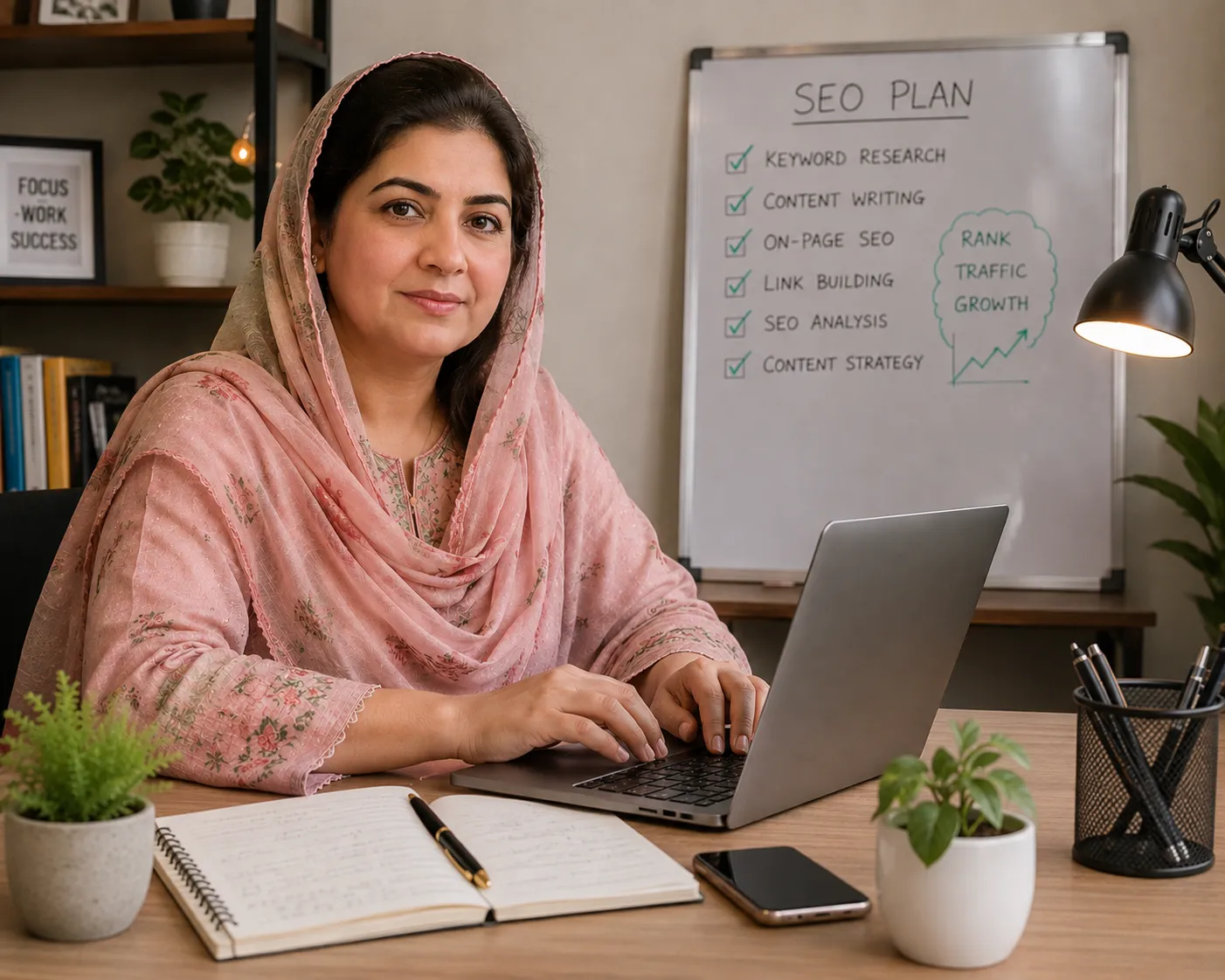
I’m Pinki, an SEO writer for Alternative Words, specializing in synonyms, antonyms, vocabulary, word meanings, grammar, and English usage. I create accurate, well-researched, and reader-friendly content that combines language expertise with SEO best practices. My goal is to make English vocabulary simple, practical, and accessible for students, writers, professionals, and English learners.
[…] another word for skill: the abilities that every good review tries to measure. […]